
Myofascial Cupping at Boise Physical Therapy 180
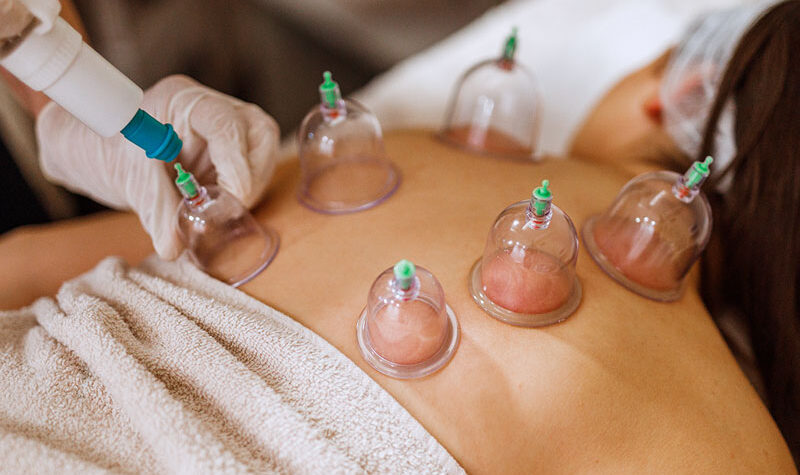
Cupping therapy is an ancient, time-tested technique that has evolved into a powerful tool for modern sports recovery and pain management. At Physical Therapy 180, we use specialized vacuum cupping to gently lift the skin and underlying soft tissues, creating a deep decompression effect that traditional massage simply cannot duplicate.
By creating targeted suction, cupping pulls fresh, oxygen-rich blood into tight or injured muscles. This process stimulates rapid cellular healing, enhances lymphatic drainage, and promotes the natural removal of cellular waste from overworked tissues. When applied near joints, it even boosts the production of synovial fluid—your body’s natural lubricant—to help you move with less friction and more freedom.
Personalized Cupping Techniques
We customize your cupping session to match your specific recovery goals, targeting areas like the back, neck, shoulders, legs, or torso. Our therapists utilize three primary methods:
- Static Cupping: The cups are placed in targeted positions on the body to deeply release stubborn, localized muscle tightness.
- Dynamic (Sliding) Cupping: We apply a soothing lotion to the skin, allowing the therapist to gently slide the cups along the muscle fibers to massage and stretch the fascia (connective tissue).
- Movement-Based Cupping: Cups are applied while you perform guided, gentle exercises. This cutting-edge technique actively breaks up tissue restrictions, helping to reduce pain and rebuild strength during movement.
What to Expect During & After Treatment
It is perfectly normal to have questions about your first cupping session. Here is exactly what you can expect:
- The Sensation: The suction force should never feel painful. Instead, you will feel a deep, comforting sensation of tightness or warmth as the soft tissue is gently drawn upward.
- The “Cupping Marks”: The suction often causes the skin to develop distinct round red or purple marks. These are not traditional bruises, but rather the result of stagnant blood and fluids being drawn to the surface to allow fresh circulation to take over. These marks are perfectly harmless, entirely normal, and typically fade within a few days to a week.
- The Afterglow: You should experience no significant discomfort after your session. Most patients leave the clinic feeling an immediate sense of relief, increased muscle elasticity, and a much better range of motion.